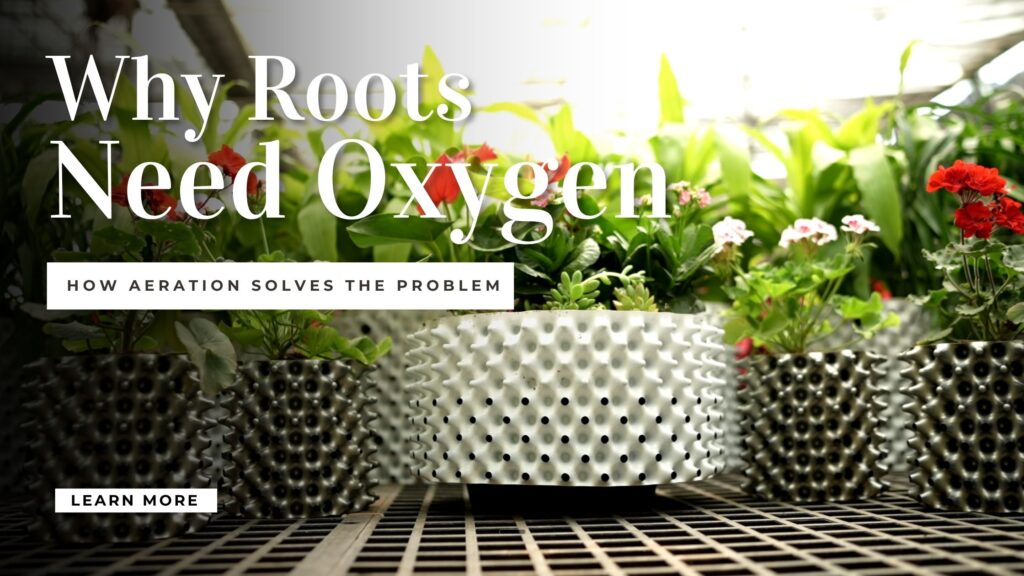
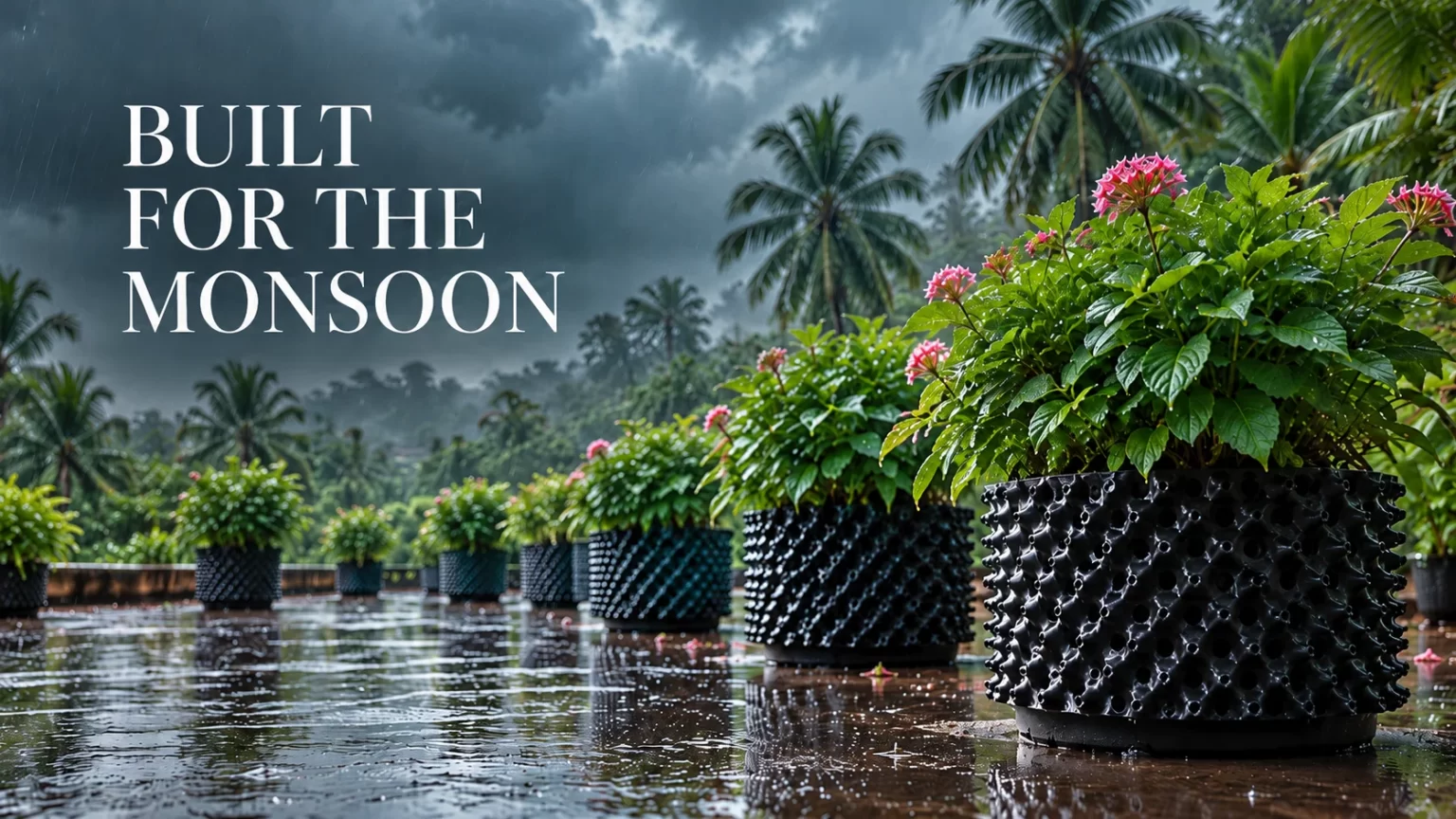
The northeast monsoon brings welcome rain to gardens across Tamil Nadu. However, weeks of rain can create a serious problem for plants growing in containers. When potting mix stays wet for too long, roots struggle to get the oxygen they need.
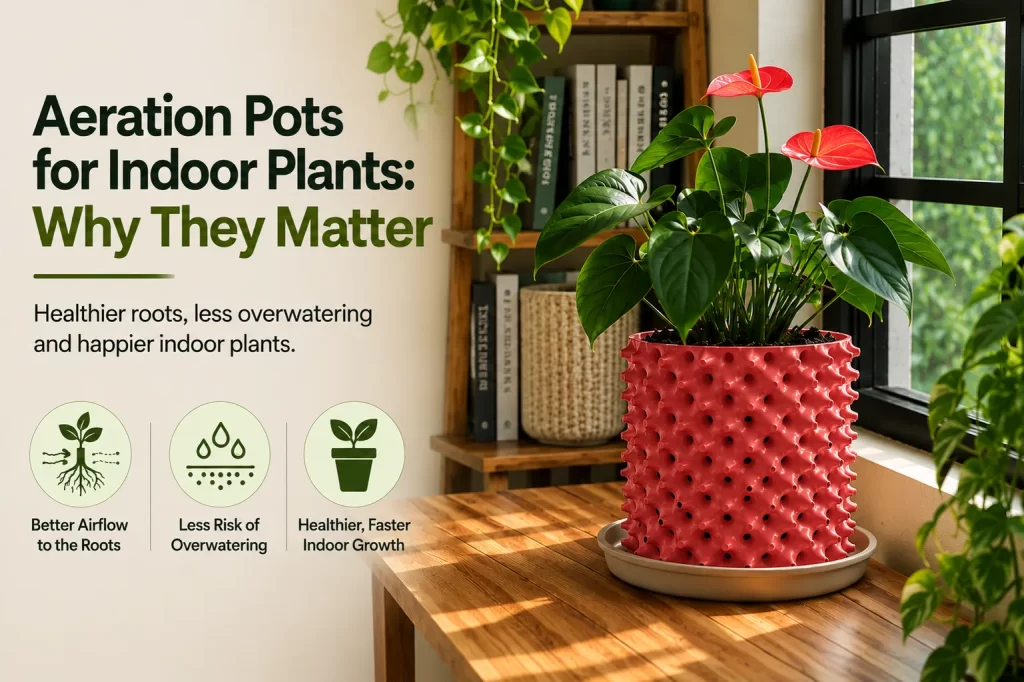
Aeration Pots help address this problem by allowing air and water to move through openings in the pot walls as well as the base. This helps the root zone recover between showers, especially when you use a suitable potting mix and manage drainage properly.
In this guide, you will learn how Aeration Pots work during the northeast monsoon, which plants need extra protection and how to care for your containers until the rainy season ends.
Quick answer: How do you reduce root rot during the monsoon? Use Aeration Pots with a free-draining potting mix, raise the pots above the ground and remove standing water from saucers. Check the moisture below the surface before watering again. These steps help improve airflow around the roots and reduce the risk of prolonged waterlogging.
Why Aeration Pots Matter During the Northeast Monsoon
Tamil Nadu’s northeast monsoon typically brings rain between October and December. During prolonged cloudy and humid periods, container plants may receive little opportunity to dry out between showers.
For local rainfall forecasts and weather warnings, check the India Meteorological Department’s Bengaluru weather forecasts before adjusting your plant-watering routine.
Ordinary pots can struggle in these conditions. Water drains through the base, but the lower part of the potting mix may remain saturated.
Three factors make this problem worse.
- Limited drying time: Cloudy skies and high humidity slow evaporation. As a result, potting mix may remain wet between rain spells.
- Waterlogged lower layers: Frequent rain can keep the bottom of a container saturated, leaving less air available to the roots.
- Heavy rain and strong winds: Intense weather can damage plants, topple containers and wash nutrients out of the potting mix.
Aeration Pots help by providing additional openings along the sides. These openings support drainage and allow air to move into the root zone as excess water leaves.
What Happens to Plant Roots When Soil Stays Wet?
Plant roots need both water and oxygen. They absorb oxygen from the small air spaces between particles in the potting mix.
When water fills these spaces, oxygen becomes less available. Consequently, roots may struggle to absorb water and nutrients even when the soil looks wet.
This explains why a plant can wilt in waterlogged soil. The roots may be damaged and unable to function properly.
Prolonged saturation can also encourage root diseases caused by organisms such as Pythium and Phytophthora. These organisms can damage weakened roots, although the exact cause depends on the plant and growing conditions.
For a more detailed explanation, read our guide on why roots need oxygen.
How Aeration Pots Help During Heavy Rain
Traditional plastic pots usually release water through drainage holes at the base. Aeration Pots add openings across the pot walls, creating more pathways for drainage and air exchange.
This design can help the potting mix recover between showers.
1. Excess Water Has More Ways to Escape
Water can leave through the wall openings as well as the base. This helps prevent prolonged saturation when the potting mix and drainage system work properly.
However, the result also depends on the growing medium and where you place the container.
2. Air Can Return to the Root Zone
After excess water drains away, air can enter through the openings. This helps restore air spaces within the potting mix.
As a result, roots have a better chance of accessing the oxygen they need between rain spells.
3. Roots Develop a More Fibrous Structure
When root tips reach an air-exposed opening, they may stop extending at that point and produce additional side roots. This process is known as air pruning.
Over time, air pruning can encourage a more branched root system instead of roots circling around the inside of a conventional container.
Learn more in our air pruning pots guide.
Aeration Pots cannot stop the rain, but they can help reduce the time roots spend in saturated potting mix.
Aeration Pots vs Ordinary Plastic Pots During the Monsoon
Both container types can grow healthy plants when used correctly. However, their drainage and airflow characteristics differ.
| Feature | Ordinary plastic pot | Aeration Pot |
|---|---|---|
| Water drainage | Mainly through base holes | Through wall openings and the base |
| Air movement | Primarily through the top and drainage openings | Additional airflow through the pot walls |
| Root development | Roots may circle inside the container | Air pruning can encourage branching |
| Wet-weather care | Requires careful drainage and watering | Still requires careful placement and watering |
| Risk of root rot | Can increase when the mix remains saturated | May be reduced when drainage and care are suitable |
The container is only one part of the solution. A dense potting mix, blocked openings or standing water can still cause problems. Therefore, combine the right pot with appropriate growing media and good watering habits.
A Practical Monsoon Routine for Aeration Pots
Aeration Pots provide a useful structure for drainage and airflow. However, your daily care routine remains important throughout the rainy season.
Before Heavy Rain Begins
1. Raise your pots above the ground.
Use pot feet, bricks or a suitable stand to keep the drainage openings clear. This also helps prevent water from collecting beneath the container.
2. Remove saucers filled with water.
Standing water can enter the potting mix again and keep the roots wet. Empty the saucers after rain and avoid leaving containers submerged.
3. Check the potting mix.
If the mix has become dense, compacted or muddy, assess whether you need to replace it. Add suitable coarse materials, such as perlite or bark, when appropriate for the plant.
4. Group plants by their water needs.
Keep moisture-loving plants together. Move succulents, cacti and adenium under suitable cover when prolonged rain threatens to keep their roots wet.
During the Rainy Season
5. Adjust your watering schedule.
Do not water automatically according to your usual timetable. Instead, check the potting mix a few centimetres below the surface and water only when the plant needs it.
6. Avoid unnecessary fertilising.
Heavy rain can wash nutrients out of containers. Wait until conditions improve, then resume feeding according to the plant’s requirements and the fertiliser instructions.
7. Watch for early warning signs.
Yellowing lower leaves, wilting despite wet soil and an unpleasant smell from the pot may indicate root problems. Check the drainage and inspect the roots if symptoms persist.
8. Secure tall plants before severe weather.
Use suitable supports for tall shrubs and fruit trees. Move smaller containers to a sheltered location when strong winds could topple them.
After the Rain Clears
Let the potting mix drain and return to a suitable moisture level before resuming your normal watering routine.
Remove badly damaged leaves where appropriate. If a plant continues to wilt, inspect its roots carefully. Healthy roots are generally firm, while rotting roots may appear brown, soft or damaged.
Avoid removing healthy foliage unnecessarily. Instead, focus on correcting the moisture problem and allowing the plant to recover.
Which Plants Benefit Most from Aeration Pots During the Monsoon?
Many container plants benefit from a well-aerated root zone. However, plants that are particularly sensitive to prolonged saturation need extra attention during the northeast monsoon.
| Plant group | Main concern | Recommended care |
|---|---|---|
| Citrus, guava and pomegranate | Prolonged saturation can damage feeder roots | Raise containers and monitor moisture |
| Chillies, tomatoes and brinjal | Wet growing media can encourage root and stem diseases | Use a suitable free-draining mix |
| Adenium, succulents and cacti | Many varieties are sensitive to persistently wet roots | Provide shelter during prolonged rain |
| Blueberries | Need an acidic growing medium and careful moisture management | Use an appropriate acidic mix with good aeration |
| Ornamental shrubs | Older potting mix may become compacted | Check drainage and refresh the mix when necessary |
Choose the pot size and growing medium according to the plant’s needs. Aeration alone cannot compensate for unsuitable soil, excessive watering or poor growing conditions.
How to Start New Plants During the Monsoon
The monsoon can be a useful time to establish some plants because temperatures may be lower and the surrounding air more humid. However, new roots still need a suitable balance of moisture and oxygen.
Start by choosing an Aeration Pot that suits the size of the root ball. Avoid an unnecessarily large container because the unused potting mix can remain wet around a small root system.
Next, use a fresh, open potting mix suited to the plant. Water once to settle the mix, allow excess water to drain and then monitor moisture before watering again.
Finally, place the container where it receives appropriate light and protection from severe weather. Check the plant regularly as it establishes new roots.
Frequently Asked Questions About Aeration Pots
Do Aeration Pots prevent root rot completely?
No pot can guarantee complete protection from root rot. However, Aeration Pots can improve drainage and airflow when used with a suitable potting mix. Raise the containers, avoid standing water and adjust watering during prolonged rain to reduce the risk of waterlogging.
Should I move Aeration Pots indoors during heavy rain?
Not necessarily. Many outdoor plants can tolerate rain when their containers drain properly. However, move plants that prefer drier roots, such as many succulents and adenium, under suitable cover during prolonged wet weather. Protect tall plants when strong winds threaten to topple them.
Do Aeration Pots dry out too quickly after the monsoon?
Aeration Pots can lose moisture faster than less ventilated containers, depending on the weather, potting mix and plant. When sunny conditions return, check the mix more frequently and adjust watering to suit the plant’s needs. A suitable surface mulch may also help reduce evaporation.
What potting mix works best in Aeration Pots during the monsoon?
Choose a mix that drains excess water while retaining enough moisture for the plant. Depending on the species, ingredients may include cocopeat, compost, bark and perlite. Avoid using heavy garden soil alone when it compacts and restricts airflow.
Are Aeration Pots useful outside the monsoon?
Yes. The additional airflow can support root-zone aeration throughout the year. Aeration Pots can also encourage air pruning, which helps develop a more branched root system. However, you should still adjust watering and potting mix according to seasonal conditions.
Let Your Roots Breathe This Monsoon
Weeks of rain can leave ordinary containers saturated, especially when the weather stays cloudy and humid. Aeration Pots provide additional drainage and airflow through the pot walls, helping roots recover between showers.
For the best results, combine the right container with a suitable potting mix, raised placement and careful watering. Also, protect sensitive plants during prolonged rain and secure containers before severe weather.
Rightpot’s Aeration Pots are available in 16 sizes, from 3-litre starter pots to 50-litre tree containers. The range is designed and made in India.
Explore the Rightpot product range or browse the products on Amazon.in to find a suitable size for your plants.
Need help choosing a pot?
Call or WhatsApp +91 9996665430
Email: info@rightpot.in
Rightpot ships across India.